
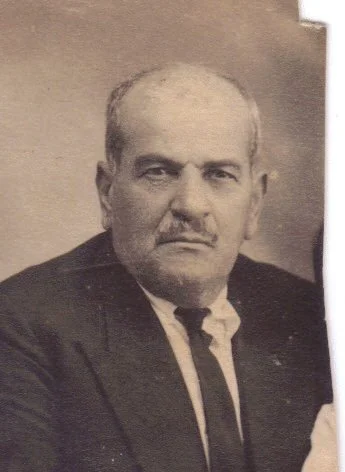
Moshe Yosef “Musa” Mizrachi Sankari, my great-grandfather. Photograph from my family collection.
For Mizrahi Heritage Month, I want to share the story of my great-grandparents, Moshe Yosef Mizrachi Sankari, known as Musa il Yahudi, and Sarah Mizrachi. Their story takes us from Aleppo and Urfa to Jericho, Panama, and Jerusalem. It also takes me back to something my dad said about the theater his grandfather built: “All in red.”
From Urfa to Jericho and Panama
Musa was born on December 20, 1863, in Aleppo, Syria, to Yosef Benjamin Mizrachi Sankari and Lea Shrem. His first wife, my great-grandmother Sarah Mizrachi, was born in Urfa in 1875 to Isaac and Rachel Mizrachi. One of their children was my grandmother Zakie.
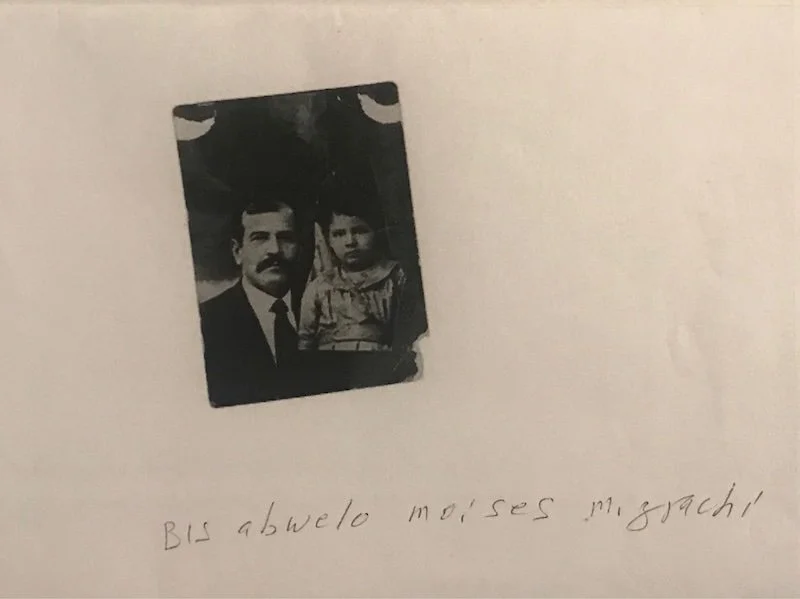
Musa with his daughter Zakie, my grandmother, when she was a little girl. Photograph from my family collection.
Around 1901, Musa and his family moved from Urfa to Eretz Israel and established a farm in Jericho. Musa was a contractor and businessman, and during the years the Panama Canal was being built, he joined his brothers Joshua, Salim, and Haim in Panama. He bought land and invested in real estate in Bocas del Toro, the same province where my dad would be born years later.
Musa traveled back and forth between Panama and Eretz Israel, while Sarah stayed in Jericho with their children. According to our family’s account, he brought back bananas, papayas, and several varieties of avocados and grew them on his land. The story passed down to us is that nearby kibbutzim later grew some of the same crops. I haven’t found evidence that he was the first to introduce any of these fruits to Eretz Israel, but this is how our family remembers his years in Jericho.
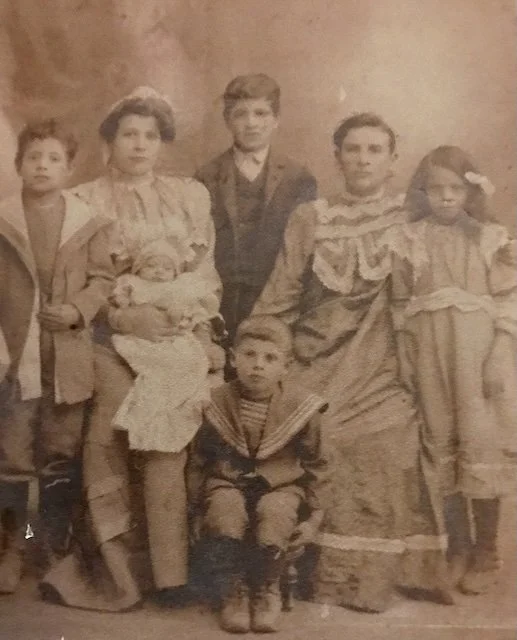
My great-grandmother Sarah Mizrachi with her children. Photograph from my family collection.
Sarah died on January 24, 1917, during World War I, while Jericho was still under Ottoman rule. Musa later remarried twice and had children from both marriages.
The synagogue that preserved our family’s names
In 1928, Musa returned to Eretz Israel for good. Although he was born in Aleppo, he became part of Jerusalem’s Urfali Jewish community. By 1930, the community had outgrown its synagogue, and Musa helped fund a larger one. The Talmud Torah Synagogue became known in the community as the Sankari Synagogue.
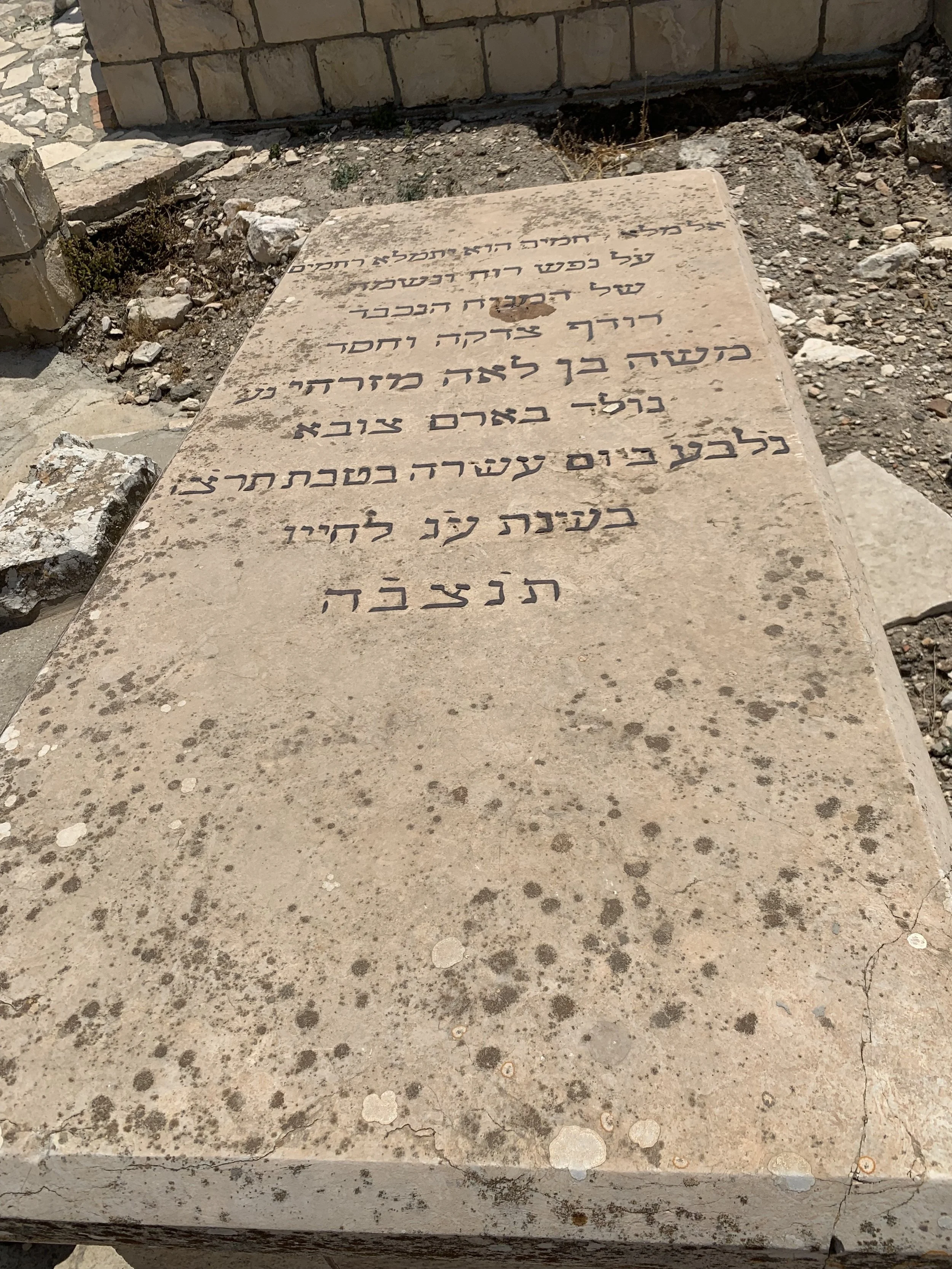
Inside is a plaque Musa dedicated to members of his family. Decades later, that inscription helped me confirm the names of his parents, including his mother Lea’s maiden name, Shrem. It also confirmed that Benjamin and Shimon were two different brothers. I wrote about how I found it in The Plaque That Preserved a Family Story.
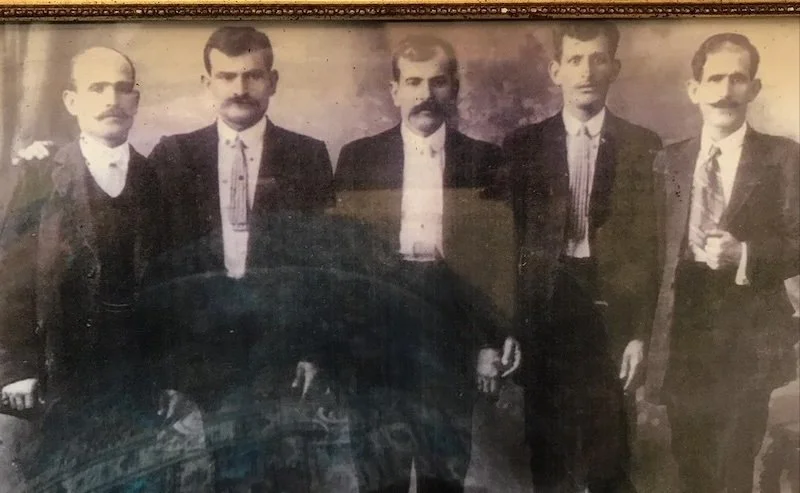
Musa Mizrachi with his brothers. Photograph from my family collection.
The Edison Theater: A piece of Jerusalem and a place my dad called home
In 1932, Musa and his sons built the Edison Theater on Rehov Yeshayahu in Jerusalem’s Zichron Moshe neighborhood. People went there to see films, hear live music, and attend public gatherings. On January 4, 1937, Arturo Toscanini conducted the Palestine Symphony Orchestra, which later became the Israel Philharmonic, at the Edison. And on January 20, 1949, David Ben-Gurion wrote in his diary about a large election gathering there. What caught my attention was his description of the people he saw that evening: young and old, from many different communities in Jerusalem.
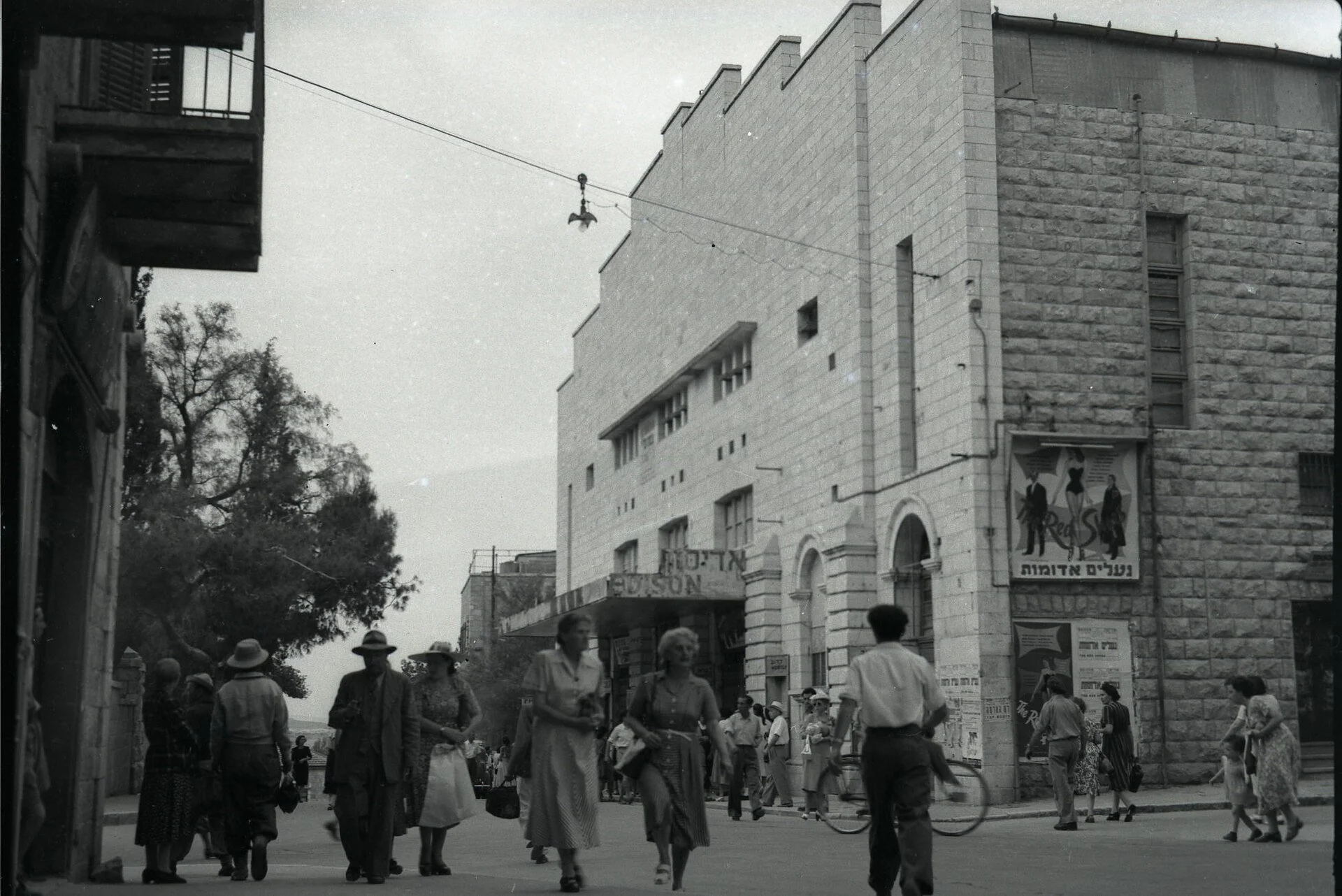
Edison Theater, Jerusalem, June–August 1950. Photograph by Benno Rothenberg. Meitar Collection, The Pritzker Family National Photography Collection, The National Library of Israel.
To my dad, the Edison was also home. His family lived in an apartment upstairs, and when I interviewed him, he remembered the musicians who came through and how beautiful the theater was. “All in red,” he said. I love that detail. The records tell me who came to the Edison, but my dad’s stories let me picture what it was like to live there.
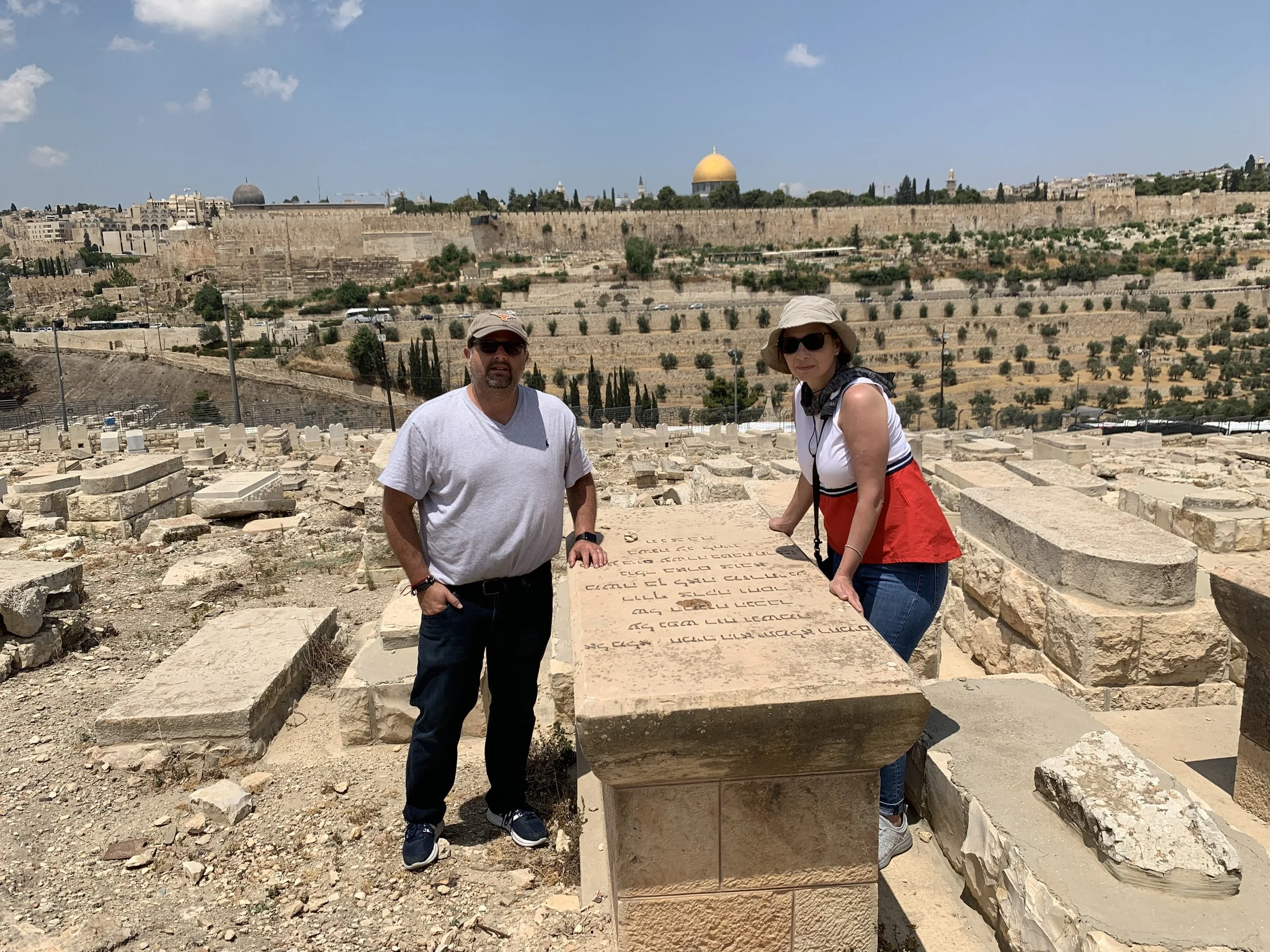
Musa died in Jerusalem on December 24, 1936. He is buried on the Mount of Olives alongside members of his family. From where he is buried, you can look across to the Temple Mount, where the Beit HaMikdash once stood. It’s one of the most beautiful views I’ve seen in Jerusalem. Standing there, I thought about how far he and Sarah had traveled, and how much of their story I still get to tell.
Sources
Jerusalem Sephardic burial registers, Mount of Olives, entries for Moshe Yosef Mizrachi Sankari and Sara Mizrachi Sankari; family photographs, records, and accounts preserved by descendants.
Zion Suleiman, Yigal Moshe Israel, and Yigal Baldegreen, Our Forefathers Came from Beyond the River(Hebrew, 2013), chapter 6, on the Jews of Urfa in Jerusalem and Moshe Mizrachi. See also The Plaque That Preserved a Family Story.
Gil Stern Stern Zohar, “The House of Satmar,” The Jerusalem Post, September 6, 2007, on the Edison’s opening and its use for political conventions.
Israel Philharmonic Archives, concert program PR_1936-1937_03, Edison Cinema, Jerusalem, January 4, 1937.
David Ben-Gurion, diary entry, January 20, 1949, Ben-Gurion Digital Archive.
Moisés Shaul Abadi-Balid Mizrachi, video interview by Jacqueline Abadi Safadyah, private family collection.
Edison Theater, Jerusalem, June–August 1950. Photograph by Benno Rothenberg. Meitar Collection, The Pritzker Family National Photography Collection, The National Library of Israel.
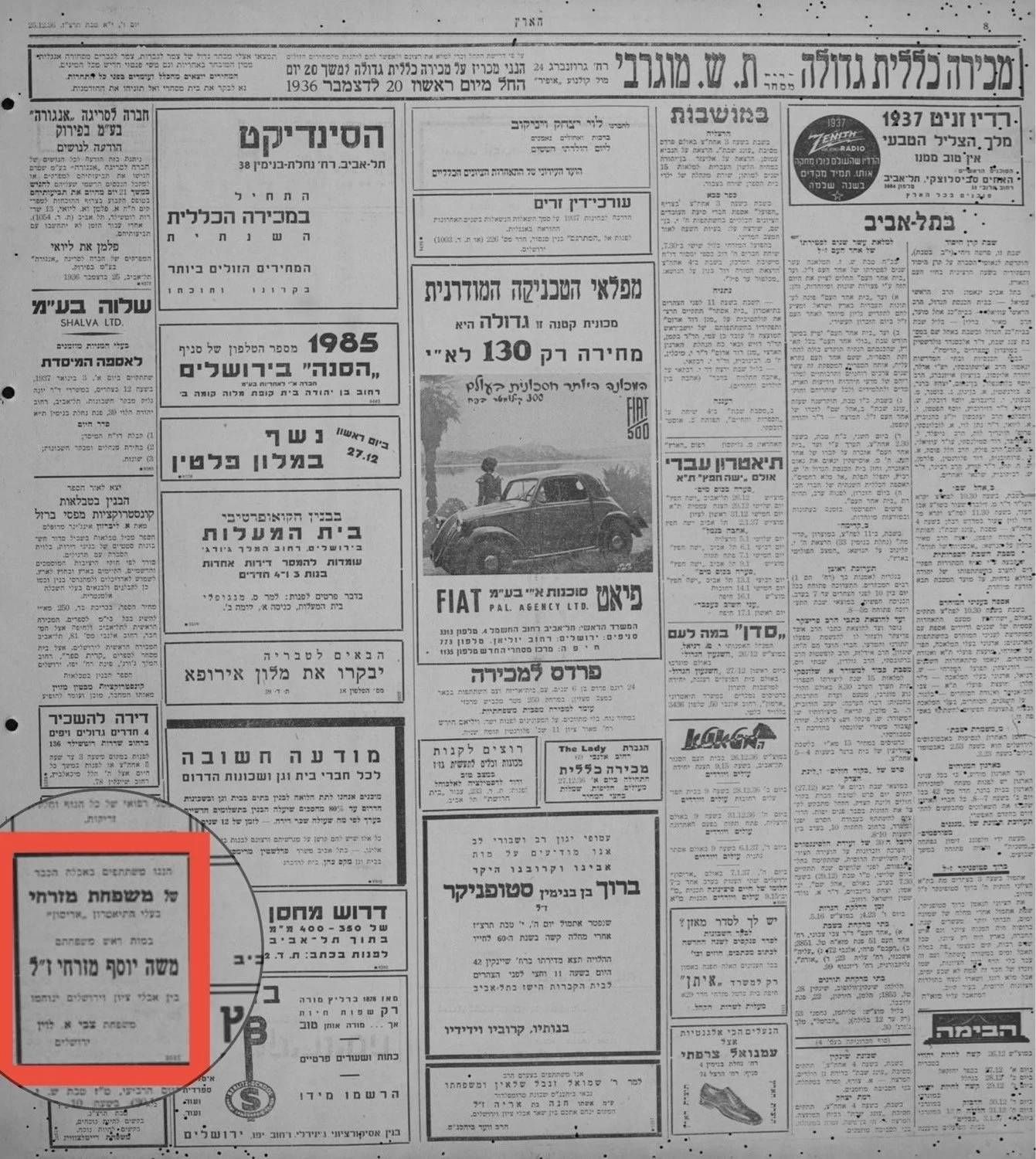
Haaretz (Jerusalem), 25 December 1936, p. 8, condolence notice for Moshe Yosef “Musa” Mizrachi; digitized by the National Library of Israel, Historical Jewish Press, https://www.nli.org.il/en/newspapers/?a=d&d=haretz19361225-01.
